
Skip to content
Working Life Debt 4 min read

Priority Bills First

A plain-English guide to the difference between urgent bills and lower-risk debts, based on Irish debt-support practice.

  • Not every missed payment carries the same risk.
  • Priority bills can affect housing, utilities or legal position quickly.
  • MABS is a key specialist source for debt triage in Ireland.

Resource explainer

What usually belongs in each bucket

Priority bills

These can bring serious consequences faster.

  • Rent or mortgage
  • Gas or electricity
  • Court fines
  • Maintenance payments

Secondary debts

Still important, but lower immediate risk.

  • Credit card balance
  • Personal loans
  • Catalogue debt
  • Overdraft

Use risk, not guilt, to decide what comes first

When money is short, the temptation is to spread payments thinly so every creditor gets something. That can feel fair but still leave you exposed where the consequences are most serious.

Priority thinking is about protecting the essentials and the costs where missed payments bring bigger risks faster.

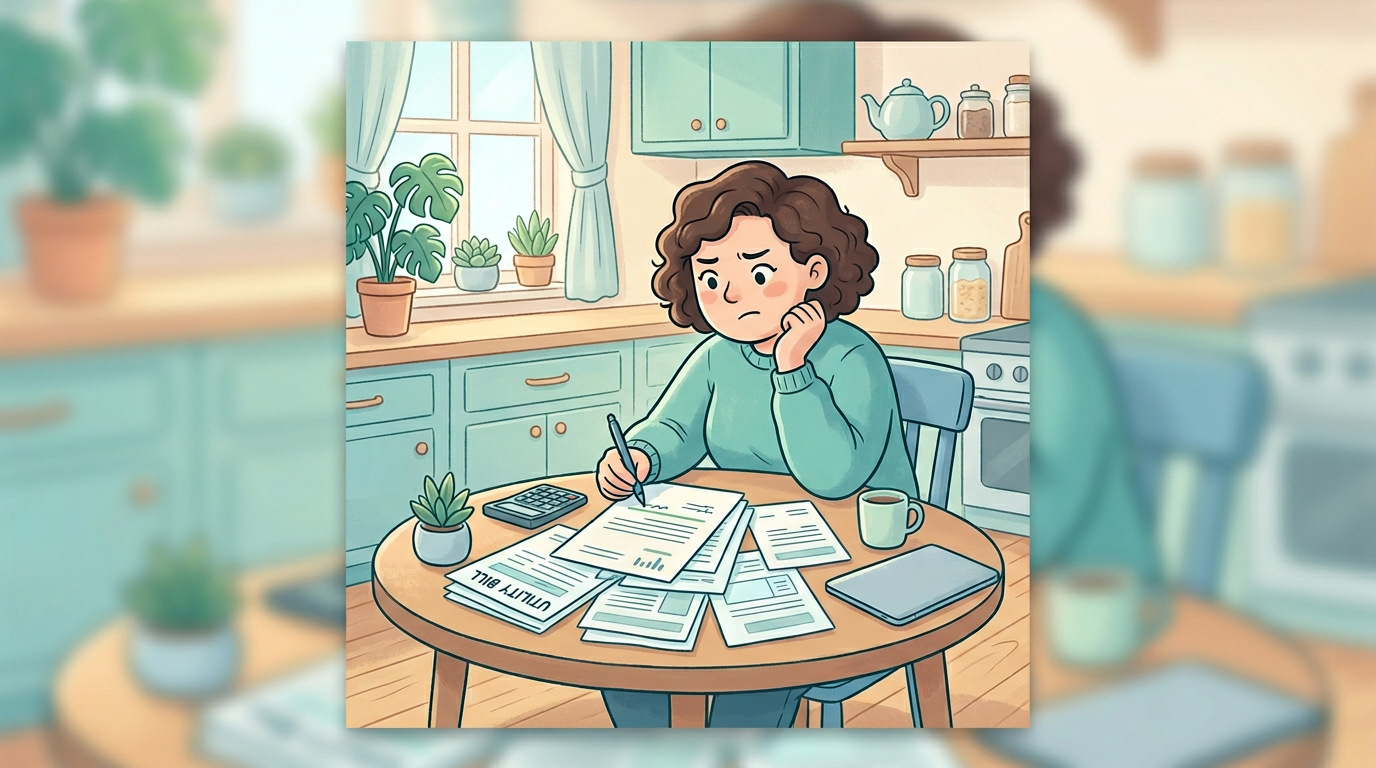
A simple triage reduces panic

Sorting bills into urgent and lower-risk groups gives you a clearer plan quickly. It also helps if you need to explain your position to a support service or creditor.

If several debts are already in play, MABS can help you build a fuller picture and next steps.

Keep exploring

Related resources